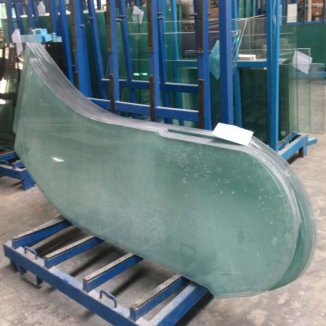
Set Boundaries First When Pricing Facade Glass and Window Systems
Comparing quotes for facade glass and a windows glass system by “price per square meter” sounds efficient—but it often mixes unlike-for-like scopes. One supplier may be quoting glass panels only, while another may be pricing a broader glazing package with different responsibilities, documentation, or processing. The fastest way to reduce procurement friction is to set the system boundary first, then compare prices only after every bidder is working from the same scope and the same drawings.

Why procurement boundaries matter more than unit price
In many projects, facade glass and the windows glass system are purchased in parallel. The risk is not the glass type itself; the risk is a scope mismatch:
- A glass-only quote typically focuses on manufactured glass units dimensions, thickness, processing, and quantity.
- A broader package may implicitly cover more deliverables, different coordination tasks, or different assumptions.
Even when both are expressed in square meters, the numbers can represent different products and responsibilities. That’s why the procurement sequence should be: boundary → specification → responsibilities → delivery terms → price comparison.
Facade glass and windows glass system are often scoped differently
A clean definition at the start makes later conversations faster—especially when the same project includes both facade zones and operable window zones.
What buyers usually mean by facade glass
In architectural glazing procurement, facade glass commonly refers to exterior glazing used for building envelopes such as curtain wall applications. In practice, facade glass may be specified as tempered, laminated, insulated, or Low-E configurations, depending on project needs.
A key procurement point is that facade glass is frequently integrated into larger assemblies, but buying facade glass does not automatically define everything around it. If the system boundary is not written down, bids can come back with inconsistent assumptions.
What buyers usually mean by a windows glass system
A windows glass system can describe window glazing and—depending on the procurement package—may involve additional expectations around processing and safety features.
For example, window safety glass may include processing such as polished edges, drilled holes, cutouts, safety corners, and printed logo or pattern options. These requirements change cost, yield, and production planning. If one bidder assumes “standard rectangles” and another assumes drilled and polished units, the square-meter comparison becomes misleading.
A practical boundary checklist to align every quotation
To compare facade glass and windows glass system quotations fairly, procurement teams typically standardize what must be stated in every offer. The goal is consistency: every supplier should price the same scope, based on the same drawings and acceptance criteria.
| Item to lock before pricing | What to state for facade glass | What to state for windows glass system |
|---|---|---|
| Procurement boundary | Glass supply only vs broader package assumptions | Glass supply only vs broader package assumptions |
| Glass build-up | Tempered / laminated / insulated / Low-E as required | Tempered / laminated / insulated / Low-E as required |
| Dimensions & tolerances | Final panel sizes and thicknesses | Final glazing sizes and thicknesses |
| Processing | Cutting, edging, drilling, cutouts if any | Polished edges, holes, cutouts, safety corners if any |
| Coating details | Low-E coating position and configuration | Low-E coating position and configuration |
| Quality documents | Certificates and test documentation to be supplied | Certificates and test documentation to be supplied |
| Packing | Export packing method and crate type | Export packing method and crate type |
| Lead time | Target schedule and confirmation milestones | Target schedule and confirmation milestones |
This type of checklist does not replace a specification, but it forces every quote to declare the same essentials—so “cheaper” and “more expensive” actually mean something.

Define the glass specification before asking anyone to price
In a combined facade glass and windows glass system purchase, the glass configuration is often the first real cost driver.
Low-E configuration needs more than a single label
Low-E low-emissivity glass is described as glass coated with a microscopically thin, transparent metallic layer, designed to reflect long-wave infrared heat while allowing visible light to pass through effectively. For buyers, the procurement takeaway is simple: “Low-E” is not a complete specification.
Yaohua Glass lists Low-E insulating glass with spacer widths customizable from 6 mm to 20 mm. If your tender documents do not define the build-up including spacer width and the overall unit thickness expected, suppliers may quote different constructions under the same “Low-E” wording.
When Low-E is part of your facade glass package and also part of your windows glass system, aligning the exact construction is one of the easiest ways to avoid scope drift.
Tempered glass processing must be coordinated with drawings
For tempered window applications, Yaohua Glass notes that tempered glass is designed to meet building codes and safety requirements, is strong enough to withstand high levels of thermal stress, and is 3–5 times stronger than annealed glass of the same thickness.
Equally important for procurement: customized mechanical processing such as holes and cutouts is typically treated as a defined part of manufacturing planning. That makes drawing confirmation and a clear boundary between “glass supply” and “system supply” essential before production scheduling.
What Yaohua Glass states it can support for architectural glass procurement
For buyers sourcing both facade glass and a windows glass system, Yaohua Glass positions itself as a producer of architectural glass products used across curtain walls, windows, and doors.
Based on published company information, Shandong Yaohua Glass Co.,Ltd. also referenced as Yaohua Glass and SYG Glass is founded in 1985, operates a manufacturing plant of approximately 50,000 square meters, and has over 400 workers. The company describes exports to over 80 countries.
In product listings and profiles, Yaohua Glass describes a range that includes toughened glass, laminated safety glass, insulating glass, jumbo glass, and fire-protection glass, along with other architectural categories. For project teams, the practical benefit is that a single sourcing conversation can cover multiple glass configurations used in one building envelope.
Product categories that commonly bridge facade and window scopes
- Laminated Glass for safety-oriented glazing designs where retention behavior is required in the design concept.
- Insulated Glass for building envelope applications where multi-pane units and sealed cavities are specified.
- Low-E insulating glass configurations for energy-focused envelope designs.
For a combined facade glass and windows glass system purchase, the procurement advantage is not a single “best glass,” but a consistent process for defining each zone’s build-up and processing so quotations remain comparable.
Packaging, shipping, and lead time should be part of the boundary
A price can only be compared fairly when delivery assumptions are standardized.
Packing method is not a footnote
Yaohua Glass describes packing steps for glass shipments that include separating each sheet with high-quality wooden corks, plastic film, paper, or anti-mildew powder; inspecting every sheet before packing; using brand-new, sturdy, seaworthy plywood crates with foam protection; and fastening crates with metal belts.
If your facade glass and windows glass system are shipped under different crate assumptions, damage risk allocation and cost allocation can diverge between suppliers—another reason to define the boundary early.
Lead time needs the same confirmation milestones
Yaohua Glass states a typical production cycle of 15–25 days after deposit and drawing confirmation. For buyers, the key is the milestone logic: quotations should clearly reference the same trigger points deposit timing and drawing confirmation so schedule comparisons remain fair.
A buyer-focused method to compare quotes without scope confusion
- Write the system boundary in one sentence for each package facade glass and windows glass system. Define whether the quote is glass-only or includes additional components and tasks.
- Attach drawings and a processing list holes, cutouts, edge finish, and safety corners for every glass type being priced.
- Lock the glass build-up tempered, laminated, insulated, and Low-E and include spacer requirements where relevant.
- Request the same documentation set for every quote. Yaohua Glass lists certifications including CE, ISO9001, IGCC, US & Canada SGCC, AS/NZS, CCC, BS EN Heat Soaked Test Report, Kuraray Sentry Glas Certificate, and KS Certificate.
- Align packing and schedule crate method, shipping readiness, and lead time milestones, then compare price.
For international buyers shortlisting a china curtain wall glass factory or evaluating a china laminated glass supplier alongside a china toughened glass supplier, this sequence reduces the most common reason prices “don’t match”—they were never pricing the same boundary.
Closing note for buyers sourcing facade glass and window packages together
A disciplined boundary-first process is often the difference between fast procurement and repeated re-quoting. If your project includes both facade glass and a windows glass system, define what is included, confirm specifications and processing from drawings, align packing and schedule assumptions, and then compare square-meter prices.
For readers who want to review product categories and specifications directly from the manufacturer, Yaohua Glass publishes architectural glass information at www.sygyaohuaglass.com.
FAQs
What should be defined first when pricing facade glass and a windows glass system?
Define the procurement boundary—whether the quotation is for glass supply only or assumes broader deliverables—before comparing any unit prices.
Why can square-meter pricing be misleading in facade glass procurement?
Because different suppliers may be pricing different scopes, including glass build-ups, processing such as holes or cutouts, documentation, or packing assumptions, even when the unit is the same.
What glass configurations are mentioned for architectural applications?
Yaohua Glass describes architectural categories including tempered glass, laminated glass, insulated glass, and Low-E glass for construction use.
What Low-E detail should buyers confirm before requesting quotes?
Confirm the full construction, including spacer width requirements. Yaohua Glass lists spacer widths customizable from 6 mm to 20 mm for Low-E insulating glass.
What processing items are commonly specified for window safety glass?
Yaohua Glass lists processing such as polished edges, drilled holes, cutouts, safety corners, and printed logo or pattern options for window safety glass.
What lead time milestone is used for production planning?
Yaohua Glass states a typical production cycle of 15–25 days after deposit and drawing confirmation.