
Anti Reflective Glass For Museum
In modern museums, the glass used in display cases is far more than a simple transparent barrier. In fact, the preferred solution for world-class exhibition design is Anti Reflective Glass — a specialized product that fulfills several critical roles at once: it allows visitors a clear, undistorted view of the artifacts, protects those objects from harmful ultraviolet light, resists physical impact, and helps maintain a stable microclimate inside the case. With so many types of museum glass available, knowing how to choose the right Anti Reflective Glass, understanding its key technical specifications, and learning from real projects are essential for anyone involved in exhibition design or collection care.
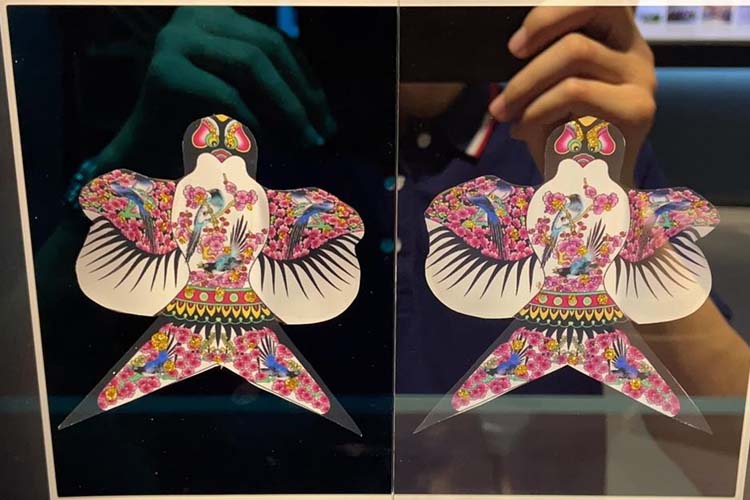
How to Choose the Right Anti Reflective Glass
Selecting the right museum glass — that is, the right Anti Reflective Glass — starts with three basic principles: safety, display quality, and long-term protection of the artifacts.
Safety is the top priority. Museum display cases often sit in busy public spaces where accidental bumps or even deliberate vandalism can happen. The glass must be strong enough to resist impact, and if it does break, it must not send sharp shards flying toward the artwork. This is why laminated glass is the standard, and high-quality Anti Reflective Glass is almost always produced in a laminated format. Laminated glass is made by bonding two or more glass layers together with a tough plastic interlayer, typically PVB. This structure is over five times stronger than ordinary glass of the same thickness. If the glass cracks, the interlayer holds the pieces in place, preventing them from falling onto the artifact or the floor. Ordinary tempered glass is never used in museums because when it breaks, it shatters into many small, sharp pieces that can scatter widely and cause serious damage.
Display quality is the second main concern. Regular architectural glass has a greenish tint because it contains iron. This tint distorts the true colors of paintings, ceramics, and textiles. Also, standard glass reflects about eight percent of the light that hits its surface. That reflection creates glare and mirror-like images, which annoy visitors and hide fine details. Therefore, low reflectance and high light transmission are the two most important properties for museum display glass. This is precisely where premium Anti Reflective Glass excels: its nano-engineered coatings reduce surface reflection to below 0.5%, making the glass nearly invisible.
Protection from light damage is the third principle. Ultraviolet light is one of the biggest threats to museum collections. It causes fading, yellowing, and embrittlement, especially in organic materials like paper, silk, leather, wood, and bone. Even a small amount of UV over many years can cause irreversible damage. For this reason, any good museum glass — especially true Anti Reflective Glass — must block at least 99 percent of UV radiation.
Key Specifications Explained
When comparing different Anti Reflective Glass products for museum cases, several technical numbers matter most.
Visible light transmittance should be 97 percent or higher. This means almost all the light passes through the glass, so the artifact looks bright, clear, and natural. Premium Anti Reflective Glass often achieves 98% or more.
Visible light reflectance should be one percent or lower. Achieving such low reflectance is what makes the glass nearly invisible. The best Anti Reflective Glass offers reflectance as low as 0.5%, allowing visitors to focus completely on the object without being distracted by their own reflection.
UV blockage should be 99.9 percent or better. This level of protection is essential for long-term preservation, and it is a standard feature of quality Anti Reflective Glass.
Color rendering index should be 99 or above. This index measures how accurately colors appear under the glass. A score of 99 out of 100 means the glass does not alter the hues of the artifact. Red stays red, blue stays blue, and subtle gradations remain visible.

Real-World Examples
In one provincial museum, curators replaced old display glass with extra-clear laminated Anti Reflective Glass for a special exhibition of Song dynasty landscape paintings. The difference was striking. Under the old glass, the greenish tint had made the mountain greens look muddy. With the new Anti Reflective Glass, visitors could see every delicate brushstroke and each subtle color change in the ink washes. The paintings appeared almost as if no glass was there at all.
Another case involved a museum built on an archaeological site. They used laminated Anti Reflective Glass with a structure of six millimeters of extra-clear tempered glass, a 0.76 millimeter PVB interlayer, and another six millimeters of extra-clear tempered glass. One day a visitor accidentally fell against a display case. The glass took the full force of the impact and cracked, but the interlayer held every piece in place. Not a single fragment fell onto the bronze artifacts inside. The case stayed sealed, and the objects remained safe.
Many museums in both China and other countries have adopted low-reflective Anti Reflective Glass with a nanometer-scale anti-reflective coating. This coating cuts surface reflection from around eight percent down to less than 0.5 percent. Visitors often do not even realize there is glass in front of them until they accidentally touch it. That kind of invisible protection is the gold standard for modern exhibition design, and it is the defining feature of true Anti Reflective Glass.

A Professional Glass Manufacturer
Among the many companies that supply Anti Reflective Glass for museum applications, Shandong Yaohua Glass Co., Ltd. stands out for its long experience and strong technical abilities. The company was founded in 1985 and has received the title of Top 30 Processed Glass Enterprises in China for several years running. It operates two large modern manufacturing sites with over 40,000 square meters of production and office space. Its overall strength ranks among the best in the industry.
Shandong Yaohua has invested in advanced production lines from LiSEC of Austria, a world leader in glass processing technology. This equipment allows the company to produce oversized laminated glass, tempered glass, and insulating glass in lengths up to 13 meters — including custom Anti Reflective Glass for large display cases. The company holds CCC certification, which is mandatory for safety glass in China, as well as ISO 9001 quality management certification. About 40 percent of its products are exported to overseas markets, and it has completed glass supply for many well-known buildings across China, including major projects in Jinan and other cities. This long track record in demanding architectural applications gives the company deep practical experience in making glass that is both safe and visually perfect. For museums and exhibition projects, Shandong Yaohua has become a reliable partner in supplying high-performance Anti Reflective Glass.
Conclusion
Choosing the right museum glass means finding the balance between protecting the artifact and showing it to the public in the best possible light. That balance is best achieved with Anti Reflective Glass: it keeps out dangerous UV rays, resists impact, and prevents glare so the visitor can focus completely on the object. The choice should be based on clear specifications: high transmittance, low reflectance, high UV blockage, and high color rendering. Real-world examples from museums show how the right Anti Reflective Glass can make a huge difference in both safety and viewing experience. When visitors stand in front of a case and forget there is glass at all, that is when the selection has succeeded. It is the invisible guardian — the perfect Anti Reflective Glass — that allows a thousand-year-old object to speak directly to modern eyes.


