
Soundproof Architectural Glass
Selecting high-performance soundproof glass has become an essential measure to ensure a high-quality indoor acoustic environment, With accelerating urbanization, environmental noise from traffic and construction has become increasingly prominent. In commercial buildings, public facilities, and industrial projects, soundproof glass is more and more popular in human life.

What is Soundproof Architectural Glass?
Soundproof glass is not simply extra-thick glass, but a family of functional glass products that reduce noise transmission through multi-layer composite structures. Its core principle is to absorb and attenuate sound wave energy using damping materials (such as PVB interlayers) and to block sound propagation paths with air or vacuum layers. A properly designed soundproof glass pane or curtain wall system can typically block up to 95% of medium‑ and long‑wavelength noise, reducing outdoor traffic noise from approximately 70 dB to a quiet indoor level of about 30 dB.
Main Types of Soundproof Glass
Insulating Glass (Double‑Glazed Units): Composed of two or more glass panes separated by a sealed air or inert gas layer. It is highly effective against high‑frequency noise (e.g., voices, horns, some construction sounds) and also provides excellent thermal insulation. It is a common choice for office buildings and shopping malls.Laminated Glass: Made by bonding two or more glass panes with a PVB (polyvinyl butyral) interlayer under heat and pressure. The PVB interlayer effectively absorbs low‑frequency sound vibrations, making it particularly effective against low‑frequency noise such as engine rumble, subways, and aircraft. It also offers safety, security, and UV protection.
Vacuum Glass: Two glass panes are hermetically sealed around the edges, with the cavity evacuated to a vacuum. The vacuum environment effectively blocks sound transmission, providing a theoretical noise reduction of 35‑40 dB. It is suitable for extremely quiet environments like recording studios, conference rooms, or special laboratories.
Application Scenarios and Selection Recommendations

Different building environments require different glass configurations:
· Office buildings along busy streets, schools, hospitals(complex noise environments): Usecombined insulating + laminated glassto block both high‑frequency and low‑frequency noise.
· General commercial areas, public corridors(dominant high‑frequency noise): High‑qualitydouble insulating glassprovides sufficient noise reduction.
· Airport terminals, buildings near subways, industrial plants(pronounced low‑frequency noise): Addlaminated PVB interlayerswithin the insulating glass unit to enhance low‑frequency attenuation.
Common Misconceptions
· Mistake 1: Focusing only on the glass while ignoring overall sealing. Even the best glass cannot perform well without multi‑seal window frames and weather‑resistant sealing strips (e.g., EPDM gaskets); otherwise, noise will penetrate through gaps.
· Mistake 2: Blindly adding more glass layers. Too many layers can reduce the air cavity thickness and cause resonance, potentially making low‑frequency noise control worse than a well‑designed double‑glazed unit.
Recommended Supplier: Shandong Yaohua Glass Co., Ltd. – A Trusted Name in Architectural Glass
Shandong Yaohua Glass Co., Ltd.(www.sygyaohuaglass.com) was founded in 1985. From manual cutting origins, it has grown into a leader in intelligent manufacturing, with an annual output value approaching RMB 400 million. The company holds authoritative certifications such as “Top 30 Processed Glass Enterprises in China”, “Shandong Gazelle Enterprise”, and “Jinan Green Factory”. Its products are widely exported and have been used in airports, railway stations, commercial complexes, public venues, and other large‑scale building projects.
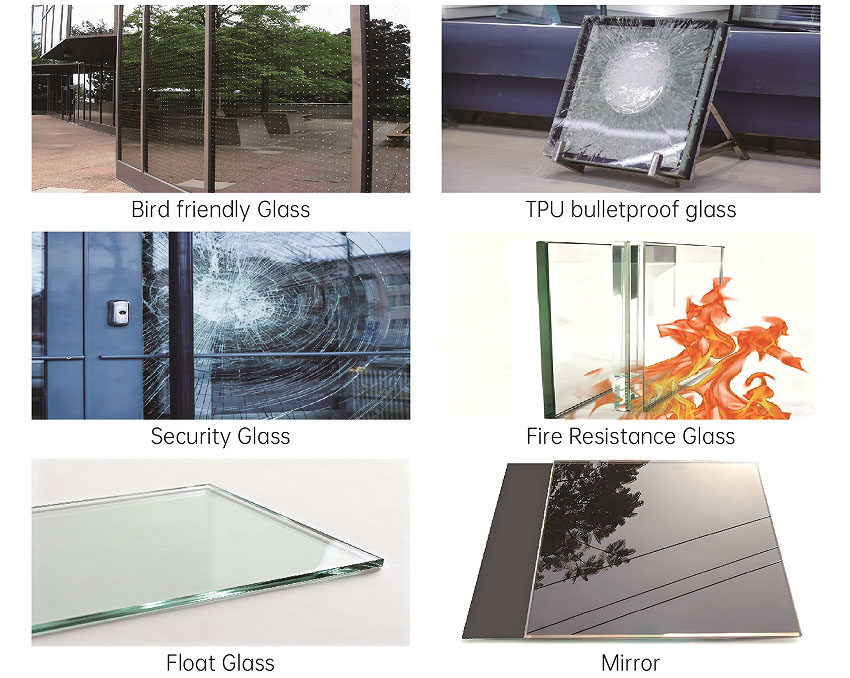
For soundproof architectural glass, Shandong Yaohua offers two mature product lines:
LOW‑E Insulating Glass: Reduces noise by approximately 30 dB, effectively blocks high‑frequency urban noise, while also providing thermal insulation and UV protection.
Laminated Glass: Uses imported PVB interlayers to effectively absorb low‑frequency vibration, solving the problem of highly penetrating low‑frequency noise that can cause structural resonance. It also blocks over 95% of UV radiation.
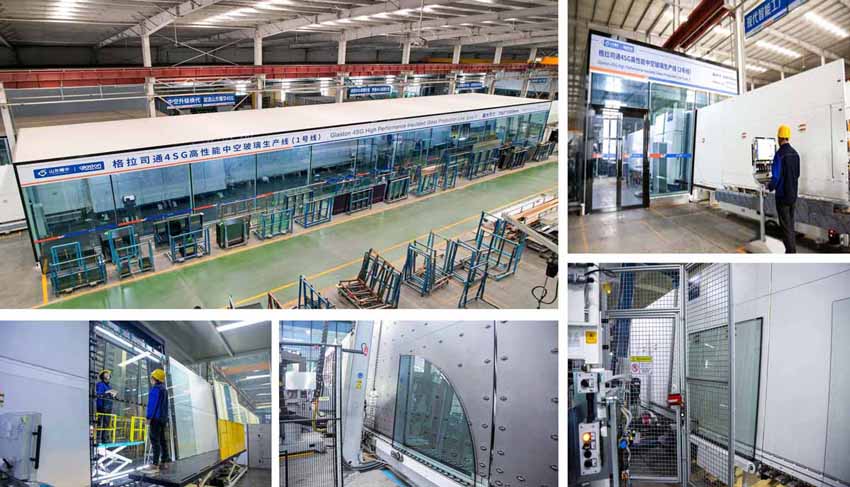
From the Jinan Yaoqiang Airport Information Building to the PyeongChang Winter Olympics venues, numerous landmark buildings have chosen Shandong Yaohua for its reliable quality and professional service. For your next architectural project, selecting soundproof glass from Shandong Yaohua means creating an efficient, comfortable indoor environment free from external noise disturbances.


